


What are TDS and TCS?
Tax Deducted at Source (TDS) requires a payer to deduct tax on specified payments such as salary, interest, rent, professional fees and contractor payments, and deposit it with the government. Tax Collected at Source (TCS) requires certain sellers to collect tax from buyers.
The TDS cycle
- Deduct at the applicable rate on the payment or credit
- Deposit by the 7th of the next month
- File the quarterly TDS return
- Issue Form 16 / 16A certificates
TDS on property and payments to non-residents
Buyers deduct TDS on property purchases (Form 26QB). Payments to non-residents, including NRI property sales, attract TDS under section 195: see NRI property sale tax.
Interest, late fees and disallowance
Late deduction and deposit attract interest; late returns attract a daily fee; non-deduction can lead to disallowance of the expense. Always reconcile deductions with Form 26AS and AIS.
Income-tax Act 2025
Section numbers for TDS are re-organised under the Income-tax Act, 2025 from tax year 2026-27. Keep a mapping table for payroll and vendor payments: what changes.
Free tools for this topic
Income Tax Calculator (Old vs New Regime)
Compare old and new tax regime for salaried individuals and see which saves more tax.
Learn more →Advance Tax Calculator & Due Dates
Split your estimated tax into the four advance tax instalments with exact due dates, including the presumptive-taxation option.
Learn more →All articles in this guide (2)
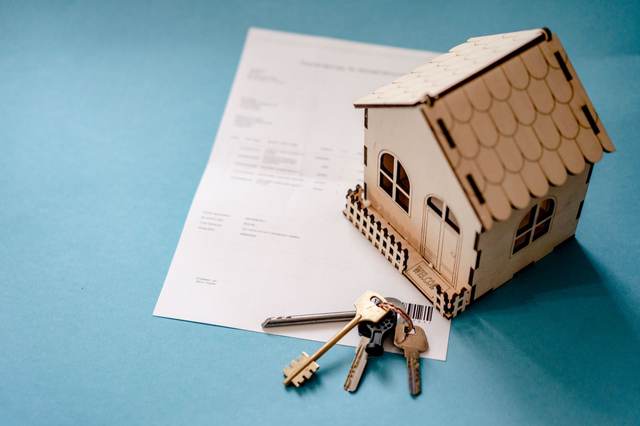
NRI Selling Property in India: Tax, TDS, Lower Deduction and Repatriation
Everything an NRI should know before selling property in India: capital gains, 195 TDS, Form 13, 54/54EC exemptions and repatriating funds.

Government Contractors in Thiruvananthapuram: GST TDS and Works Contract Rules
The capital city hosts many government offices and PSUs, so contractors and suppliers often face GST TDS by government deductors and works-contract rate...
Related services
Frequently asked questions
When is TDS to be deposited?
By the 7th of the following month (30 April for March deductions).
What is the penalty for late TDS return?
A fee of ₹200 per day under section 234E up to the TDS amount, plus possible penalty.
How do I claim TDS credit?
TDS appears in Form 26AS/AIS and is claimed while filing your return.